
General lifestyle education — how regular bodyweight practice may fit into an active life. Not medical advice. Individual experiences vary.
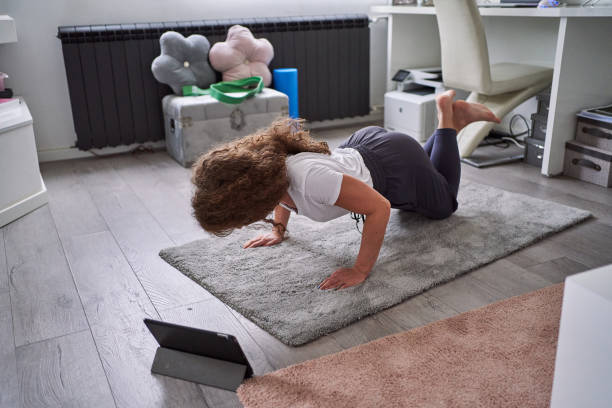
The World Health Organisation recommends at least 150 minutes of moderate-intensity aerobic activity per week, plus muscle-strengthening activities on two or more days. Bodyweight sessions — such as a 30-minute circuit of squats, lunges, and push-up variations — can form part of meeting those general activity guidelines.
What makes home-based bodyweight work accessible for many people is convenience. There is no commute to a gym and no equipment to buy. Many of our Invercargill members fit a session between breakfast and work, or after children go to bed. Building a repeatable routine over weeks and months is often more valuable than any single workout.
Bodyweight training is one part of a balanced lifestyle that may also include sleep, nutrition, social connection, and rest. We share general education only — not personalised lifestyle prescriptions.
Areas discussed in published research and active-living guidelines — not guaranteed personal outcomes.
Physical activity is widely discussed in public health guidance as one factor that may contribute to general wellbeing alongside sleep, nutrition, and social connection. Home-based bodyweight sessions remove common barriers such as travel time and complicated equipment setup.
Learning movement skills — such as a controlled squat progression — engages attention and coordination. Some members describe feeling more alert after a morning session, though experiences differ and this is anecdotal, not a promised outcome.
Simple habits can support consistency: preparing your space the night before, using the same warm-up, and choosing a realistic session length. In a Southland winter, an indoor routine can make regular practice easier to maintain.
Allow rest days between harder sessions. Sleep and recovery are part of any sensible training approach.
If you have been inactive for a long time, begin with shorter sessions and easier progressions. Increase gradually.
Five minutes of light movement before harder work supports safer practice. Never skip your warm-up.
Keep water nearby during sessions. This site does not provide nutritional or dietary advice.
| Date | Session | Focus |
|---|---|---|
| 5 July 2026 | Metabolic Circuit | Active movement practice |
| 19 July 2026 | Mobility Morning | Range of motion & recovery |
| 2 August 2026 | Habit Building Workshop | Sustainable routines |
Many beginners start with bodyweight exercises because they can be scaled easily — wall push-ups, chair-assisted squats, and similar progressions. Choose a level that feels manageable and progress gradually. Speak with a qualified professional if you are unsure.
Experiences vary widely. Some people notice improved movement confidence early on; others take longer. We do not promise timelines or specific physical changes.
No. This is general lifestyle and fitness education from Removemove.ddd, a fitness education studio in Invercargill. For personal health questions, consult an appropriate qualified professional.