
Pick an everyday object and discover how to turn it into a useful, fun training tool. No shopping required.
Select a household item below and see a suggested exercise adaptation. Use sturdy items only and practise at your own pace.
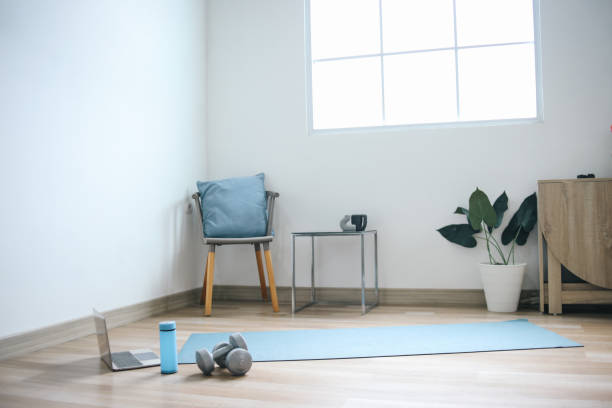
Improvised equipment introduces small instability and variable resistance that rigid gym machines cannot replicate. A partially filled water bottle shifts its centre of gravity as you move — your core and shoulder stabilisers must constantly adjust. A towel row through a door handle creates friction-based resistance that increases the harder you pull.
The key is choosing sturdy, safe objects. Dining chairs should not have wheels. Doors used for towel rows must be closed and latched with you on the hinge side. Sofas should be pushed against a wall before you use them for incline push-ups or elevated split squats.
Our Household Fitness Workshop on 28 June 2026 walks through all four swaps live from our Invercargill studio. Members across New Zealand can follow along with whatever they have at home.
Combine items for a balanced session: upper push, upper pull, lower body, and core. Perform each exercise for 40 seconds, rest 20 seconds, and complete three rounds. Adjust time if you are just starting out.
Keep elbows pointing back, not flaring wide. Lower until upper arms are roughly parallel to the floor. If this is too hard, bend knees more.
Lean back with straight body from head to heels. Pull towel to ribs, squeeze shoulder blades. Walk feet closer to door to make it easier.
Hold bottle at chest, squat until thighs are at least parallel. Drive through mid-foot to stand. Add a two-second pause at the bottom for extra control.
Hands on sofa edge, body straight. Lower chest toward edge, press back. Progress to lower surfaces over weeks.
Test every chair, sofa, and door before loading it with body weight. Push and pull firmly — if it shifts, find a sturdier option.
Move coffee tables, rugs that slip, and fragile items. A two-by-two-metre area is the minimum for safe movement.
| Date | Workshop | Items Used |
|---|---|---|
| 28 June 2026 | Household Fitness Workshop | All four items |
| 16 August 2026 | Towel & Door Row Clinic | Towel, door |
| 30 August 2026 | Chair Strength Session | Chair |
Start with 500 ml to 1 litre. A 2-litre bottle is suitable for squats once your form is solid. Avoid glass bottles — use plastic with a secure cap.
Only if it is rated for your full body weight and does not wobble. Solid wooden or metal dining chairs are preferable. Never use a chair with wheels for dips.
Use a thick towel and loop it over the handle, not the edge of the door itself. Close the door fully and stand on the hinge side. Check for scuff marks after first use.